Leaks in a heating and cooling system don’t always announce themselves with puddles on the floor or a system that won’t start. Many begin quietly, in a crawlspace elbow or a coil pan hidden behind a panel. By the time the symptoms show up, you might be looking at higher utility bills, comfort issues, or even water damage. In Nixa, MO, where summer humidity presses hard and winter nights dip below freezing, small leaks can swing from nuisance to costly repair quickly. With a little knowledge, you can spot early signs, protect your home, and know when it’s time to call a trusted HVAC Contractor in Nixa, MO.
What we mean by “leaks”
People think “leak” and picture dripping water. HVAC systems have several kinds of leaks, each with its own risk and fix.
Refrigerant leaks occur in the sealed loop that moves heat. They cause poor cooling, icing at the evaporator, and eventually compressor damage if ignored. Water leaks typically come from condensation that doesn’t drain properly from the air handler or coil. Air leaks happen in ductwork, around the air handler cabinet, or at filter slots, pulling in dust and unconditioned air, which hurts efficiency and comfort. Combustion gas leaks, rare but serious, can occur on furnaces, flue pipes, or heat exchangers. These demand immediate attention.
Each leak type shows up differently and calls for a different solution. The good news is that most can be caught early with simple checks and basic maintenance. When something looks off, a reputable HVAC Company in Nixa, MO can confirm the problem with the right instruments and correct the root cause.
Why leaks are common in the Ozarks’ climate
Nixa sits in a humid subtropical zone with four honest seasons. The most leak-prone periods are late spring through early fall when air conditioning runs daily and wrings gallons of moisture from indoor air. That water needs a clear path to your drain or pump. Any sag in the condensate line, a clogged trap, or a cracked pan can let water go where it shouldn’t.
On the refrigerant side, the cycle of heat and cold creates expansion and contraction in copper lines and coils. Over years, especially in systems that vibrate more than they should, tiny pinholes can develop at joints. Winter adds its own stress. Freeze-thaw cycles can stress PVC venting and condensate lines, and in homes with ducts running through unconditioned attics, temperature swings strain sealant and tape.
Air leaks in ducts are also common in older homes, especially where flex duct meets sheet metal or at plenums. Even a few small gaps can reduce delivered airflow by 10 to 20 percent, which the system tries to make up by running longer. Over time, that added runtime accelerates wear and raises bills.

Telltale signs something is leaking
A leak doesn’t always present the same way. Refrigerant escaping from a tiny microfracture looks nothing like an overflowing coil pan. It helps to match the symptom to the likely cause.
If your cooling has gotten weaker even though the thermostat setting hasn’t changed, suspect refrigerant. Ice on the refrigerant line or a light frost on the outdoor unit, especially in summer, points in the same direction. Another clue is short cycling, where the system starts and stops often but never satisfies the thermostat. That can be other issues too, but paired with low airflow or a hissing noise, it’s a strong hint.
Water staining under an indoor air handler, damp drywall near a closet unit, or a musty smell that gets stronger near supply vents usually ties to condensate leaks. A healthy system can pull several pints of water out of the air per hour in July and August. That moisture must leave through the primary drain. If the line plugs with algae or the trap dries out, water seeks the path of least resistance. Look for a float switch on the pan. If it trips frequently, you have a drainage issue that needs attention.
For air leaks, uneven room temperatures are a classic sign. One corner bedroom that never quite cools, a noisy return that whistles at the filter slot, or dust streaks on duct joints indicate air is moving where it shouldn’t. Pull the filter and look at the filter rack. If you see gaps around the edges or dark dust trails, unfiltered air is bypassing the media and dragging dirt into your coil.
With combustion appliances, watch for soot around the furnace, an acrid smell on startup, or a carbon monoxide detector alarm. Even a hairline crack in a heat exchanger can push flue gases into supply air. Any suspicion here warrants shutting the system down and calling a licensed Heating and Air Conditioning professional in Nixa, MO.
Where technicians find leaks most often
Experience points to a handful of repeat offenders. On evaporator coils, manufacturers have improved materials, but formicary corrosion still occurs when contaminants react with copper. The result is pinholes the size of a pinhead in the fin pack. Brazed joints on line sets can develop slow leaks if stressed by vibration. On condensate systems, the trap is a frequent issue. Without a proper U-shaped trap, negative pressure in the air handler can keep water from draining, which then spills into the pan. Algae growth in warm, wet lines forms a soft plug that slows flow until it stops entirely.
Duct leaks appear around takeoffs where round branches meet the main trunk, at the air handler cabinet seams, and anywhere foil tape dried out after years of attic heat. Vibration loosens sheet metal screws and opens seams. Around the filter bay, many installers rely on friction fits. Over time, the slot widens and becomes a suction leak.
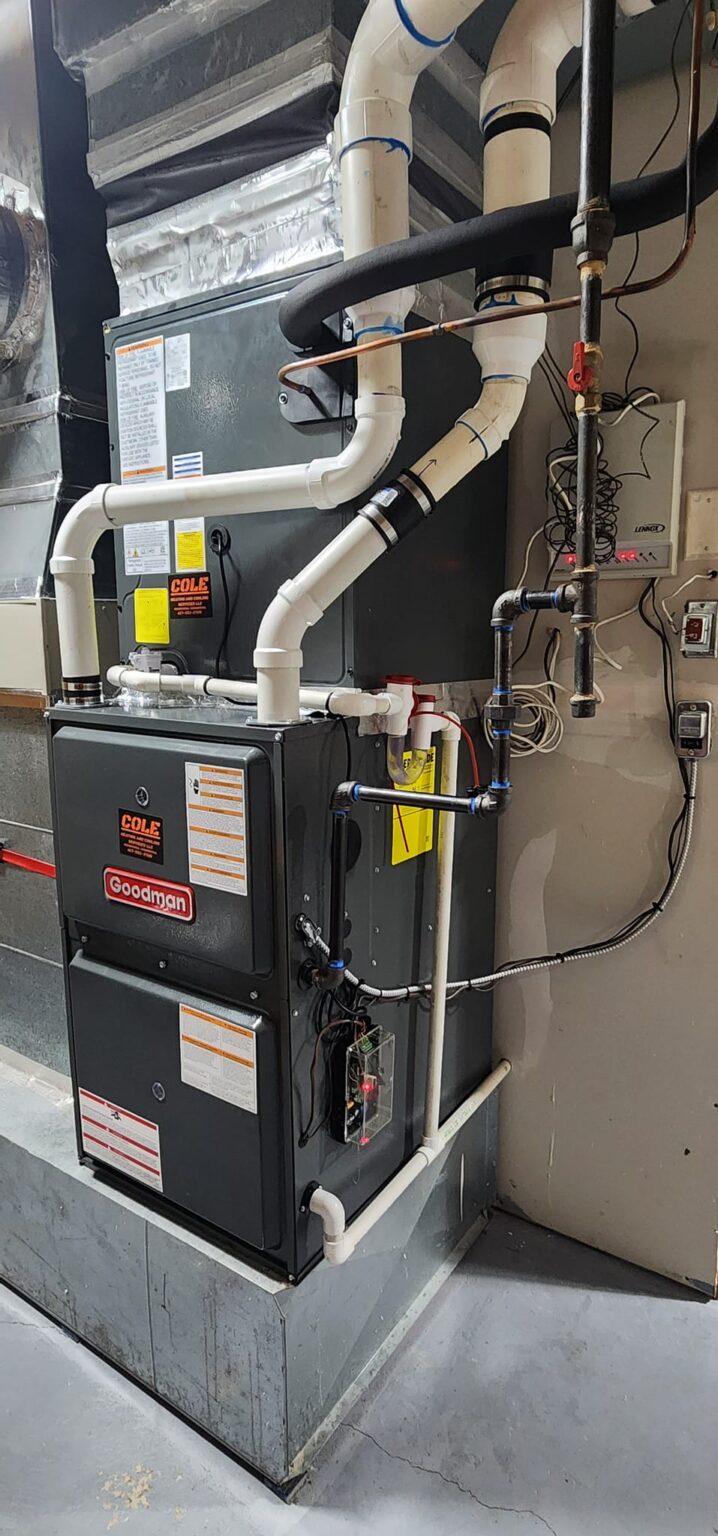
In heat pump systems, the reversing valve and service port Schrader cores sometimes seep under pressure cycling. These are relatively minor and fixable, but they still cost efficiency if ignored.
Simple homeowner checks that get results
A careful look and a few safe steps go a long way before you call for service.
- Peek at the indoor unit during a cooling cycle. You should see a steady drip from the condensate line where it enters a drain or pump. No drip on a humid day suggests a blockage inside the cabinet or line. Water around the base means the pan is overflowing or cracked. Listen for unusual sounds. A gentle hum and airflow are normal. A hiss near the indoor coil, gurgling in the condensate line, or a whistle at the cabinet door points to leaks or pressure issues. Check the filter fit. With the system running, hold a strip of tissue around the filter frame. If it flutters or gets pulled toward a gap, air is bypassing. That unfiltered air will soil the coil and reduce efficiency. Inspect visible refrigerant lines. The larger insulated suction line should feel cool to the touch in cooling mode and should not be iced up near the air handler. Frost means airflow or refrigerant charge problems that need a technician. Watch your utility bills. A steady climb without a change in thermostat settings or weather often indicates a hidden duct leak or a system losing refrigerant.
These checks don’t replace professional diagnostics, but they help you decide whether to call sooner rather than later. When you do schedule service with an HVAC Contractor in Nixa, MO, the details you observed help them zero in faster.
How pros pinpoint refrigerant losses
A technician uses a few tools to locate refrigerant leaks. Electronic leak detectors sniff for tiny concentrations of refrigerant. UV dye can be added to the system, then traced with a black light after it circulates. Soapy solutions bubble at leaks on accessible joints. When the suspected area is a coil buried in fins, nitrogen pressure tests isolate sections. Often, the best practice is confirm the leak, estimate its rate, and determine whether repair or replacement makes more sense. On older coils with widespread formicary corrosion, patching one pinhole rarely ends the story.
There’s a temptation to “top off” refrigerant and hope for the best. That approach rarely saves money. A sealed system shouldn’t consume refrigerant. If it’s low, it went somewhere. With modern refrigerants carrying higher costs, especially if the system uses R-410A or a newer blend, repeated charges get expensive fast. A good Heating & Cooling tech will show you leak test results and discuss options plainly.
Condensate drains and why they clog
Air conditioning doesn’t just cool air; it dries it. That moisture condenses on the evaporator coil and flows into a drain pan and out a line. Warm, stagnant water breeds algae and biofilm. Add dust from a bypassing filter, and you have sludge. A trap without a cleanout makes maintenance harder, and long horizontal runs sag over time, creating low spots that collect debris.
A secondary drain pan under the air handler is a safety net. In many Nixa homes, the attic air handler sits over finished spaces. If that secondary pan has water in it, your primary drain has already failed. Some installations include a float switch in the secondary pan that shuts the system off when water rises. If your cooling cuts out on a muggy day and you find water in the secondary pan, don’t just reset the switch. Clear the blockage and address the cause so it doesn’t repeat.
For condensate pumps, listen for cycling. A healthy pump runs briefly to clear the reservoir. Constant running or a noisy grind means the pump is tired, the check valve is sticking, or the discharge line is restricted.
Duct leaks and comfort math
Think of duct leaks as a tax you pay every time the blower runs. Supply leaks in an attic spill conditioned air into a space you don’t occupy. Return leaks suck hot, dusty attic air into your system, then distribute it through the house. On a 3-ton system moving roughly 1,200 cubic feet of air per minute, a 15 percent leakage rate means 180 cfm of lost capacity. That’s like throwing away a small window unit’s worth of cooling on every cycle.
Sealing with the right materials matters. Foil-backed butyl tape or mastic provides long-lived seals. Cloth duct tape dries out and fails in attic heat. At the filter rack, a simple gasket or magnetic cover over the slot closes the gap that whistles every time the blower starts. When a local Heating and Air Conditioning company in Nixa, MO offers duct sealing, ask how they test before and after. A duct blaster test quantifies leakage so you can see the improvement.
Prevention that actually works
Good maintenance beats reactive fixes every time, especially in a climate that swings like ours. I’ve seen homeowners avoid thousands in damage with a few inexpensive habits and timely professional visits. Here’s a focused, practical routine that fits Nixa conditions.
- Change filters on schedule and use the right type. Most systems perform best with MERV 8 to 11 filters. Higher MERV isn’t always better if your return is undersized. A too-restrictive filter starves airflow and can cause icing, which leads to water spills when ice melts. Check monthly in summer and replace when visibly loaded. Clean condensate lines twice a season. Add a half cup of white vinegar to the access port near the trap in spring and mid-summer. If your system lacks a cleanout, ask your HVAC Contractor in Nixa, M to install one. Verify the trap is correctly oriented and holds water to block air recirculation. Keep the outdoor unit clear. Trim plants at least 18 to 24 inches away, and wash the coil gently with a garden hose from the inside out. A clean condenser runs lower head pressure, which reduces stress on line-set joints and valves. Secure and seal the filter slot and cabinet. Install foam gaskets or manufacturer-specific covers so the filter seals on all four sides. If the furnace or air handler door vibrates, add clips or replace worn latches. This prevents bypass air and the dust that clogs coils and traps. Schedule professional maintenance twice a year. A spring check for Air Conditioning and a fall tune for Heating gives a tech time to catch loose Schrader cores, sweating joints, and slow drains before they escalate. Ask for a static pressure reading, a temperature split across the coil, and a quick inspection of the secondary pan and float switches.
When repair beats replace, and when it doesn’t
There’s an art to deciding whether to repair a leak or plan a larger upgrade. On a relatively new system, still under parts warranty, fixing a leaky Schrader core or a drain issue is straightforward. Even a coil replacement can make sense if the outdoor unit is in good shape and efficiency remains attractive.
On a 12 to 15-year-old system with multiple refrigerant leaks, repeated service calls and refrigerant costs add up quickly. If the evaporator coil shows widespread corrosion and the condenser is original, replacing the matched pair protects you from chasing leaks across components. Newer systems can also cut cooling costs by 20 to 30 percent compared with older SEER ratings, which softens the investment. A reputable HVAC Company Nixa, MO will present both options with itemized costs instead of pushing one path.
For duct leaks, sealing is almost always worth it, even on older systems. Reducing leakage improves comfort immediately and lowers run time. It also makes any eventual new equipment perform closer to its rated efficiency.
Seasonal timing and Nixa-specific tips
Summer rush in Christian County is real. If you need non-emergency service in May or June, schedule early. Spring maintenance beats July breakdowns by a long shot. During peak humidity, keep your thermostat steady rather than large daily setbacks, which can create extended runs and heavy condensate loads that expose marginal drains.
In winter, if you have a high-efficiency furnace that uses PVC venting, look outside after heavy snow or freezing rain. Clear vent terminations can prevent condensate freezing in the line, which can back up into the furnace. Check the condensate trap on condensing furnaces for standing water and proper routing to a drain that won’t freeze.
For homes with crawlspaces, insulate and support condensate and refrigerant lines that run underneath. A sagging line in a crawlspace is a slow-motion leak in the making.
Safety lines you should not cross
Homeowners can safely clear a condensate line at an accessible cleanout, change filters, and wash an outdoor coil lightly. Anything involving refrigerant circuit opening, brazing, or combustion testing belongs to a licensed pro. Using sealants inside a charged refrigerant system might look tempting online, but those can gum up TXV valves and restrictors, creating bigger problems. Likewise, pouring bleach into a condensate system can damage metal and plastics. Stick with white vinegar or a condensate pan treatment designed for HVAC use.
If a carbon monoxide detector alarms, leave the area, ventilate, and shut the system down. An inspection by a qualified Heating professional needs to happen before restart.
What a thorough service visit includes
When you book maintenance or leak diagnostics with a local Heating & Cooling company, ask what’s included. A solid visit addresses the performance and the common leak points. Expect coil inspection for oil residue that indicates refrigerant leaks, drain pan and trap cleaning, verification of float switch operation, electrical checks on the condensate pump, and refrigerant pressure readings aligned with temperature to ensure proper charge. For duct systems, ask for a visual survey of accessible joints and a recommendation if leakage appears significant. If they carry a manometer, a quick external static pressure reading can flag blocked returns or restrictive filters that drive icing and water issues.
Documentation matters. A short writeup of readings and any corrected issues helps you track trends. If the technician notes repeated algae growth or a pan that’s pitted, you can plan a proactive part replacement in a shoulder season instead of an emergency call during a heat wave.
Costs and what’s reasonable
Prices vary by contractor and complexity, but it helps to have ballpark expectations. Clearing a simple condensate clog sits on the low end, often less than a service call plus minor materials. Replacing a condensate pump typically falls in the mid hundreds including parts and labor. Refrigerant leak detection and repair ranges widely. Tightening a Schrader core or re-brazing an accessible joint might be modest. Replacing an evaporator coil is a larger ticket, commonly four figures, depending on model and refrigerant type. Duct sealing for a typical single-story home can often fit into a half-day job, priced based on scope and accessibility.
Knowing these ranges keeps the conversation grounded. The right HVAC Contractor in Nixa, MO will walk you through the why behind any recommendation and give you options.
Small habits that prevent big messes
I’ve lost count of the number of water-damaged ceilings that started with a clogged drain line and a missing float switch. Simple add-ons and habits stop most of those. https://ricardokdmu604.iamarrows.com/air-conditioning-nixa-mo-humidity-control-strategies If your air handler sits in an attic, make sure you have both a primary pan with a trap and a secondary pan with a working float switch. Verify the secondary drain line terminates visibly outside so a drip catches your eye. Label the condensate cleanout cap so anyone in the house knows where to pour vinegar. Keep a spare correct-size filter on hand, and write the change date on the frame.
On the refrigerant side, keep the outdoor unit level. A pad that has settled can stress connections. If you notice vibration or a low hum that’s different from last year, mention it during maintenance. Often it’s a fan blade slightly out of balance or a loose panel, but the early fix reduces long-term stress that can create leaks.
When to call a pro right away
Slow changes you can monitor, but certain signs call for immediate service. Ice forming on refrigerant lines, water dripping from a ceiling, a burning or chemical smell, tripped float switches, and any carbon monoxide alarm should prompt a shutdown and a call. If your thermostat shows long run times with minimal temperature change on a mild day, don’t wait for a heat wave to test the system. Early attention avoids overtime rates and collateral damage.
Bringing it together
Detecting and preventing HVAC leaks in Nixa, MO isn’t about luck or guesswork. It’s about paying attention to the cues your system gives, taking a few thoughtful steps, and partnering with a dependable local Heating and Air Conditioning company when the job exceeds DIY. Focus on clear drains, correct filters, sealed ducts, and routine maintenance. Watch for water where it doesn’t belong, frost where it shouldn’t form, and whistling where doors should seal tight. Those habits keep comfort steady, bills predictable, and surprise repairs off your calendar.
If something doesn’t sound or look right, that’s your nudge. Call a qualified HVAC Company Nixa, MO that listens, measures, and explains. The right response today prevents tomorrow’s leak from becoming next week’s ceiling patch or compressor swap, and that’s the kind of quiet reliability a good Heating & Cooling system should deliver.